2025 Grant Program Awardees
A committee appointed by the president of MCMGA, reviewed grant applications submitted by non-profit organizations. This year six projects were selected that are educational in nature and promote and involve the community in horticultural activities as outlined in the criteria for selection. Here are the written reports and photos submitted by awardees.
To date, we have recieved four reports from awardees; the remaining will be added as we receive them. We’re glad to share the news about these successful gardening projects, enjoy!
Bloomington Co-housing Association
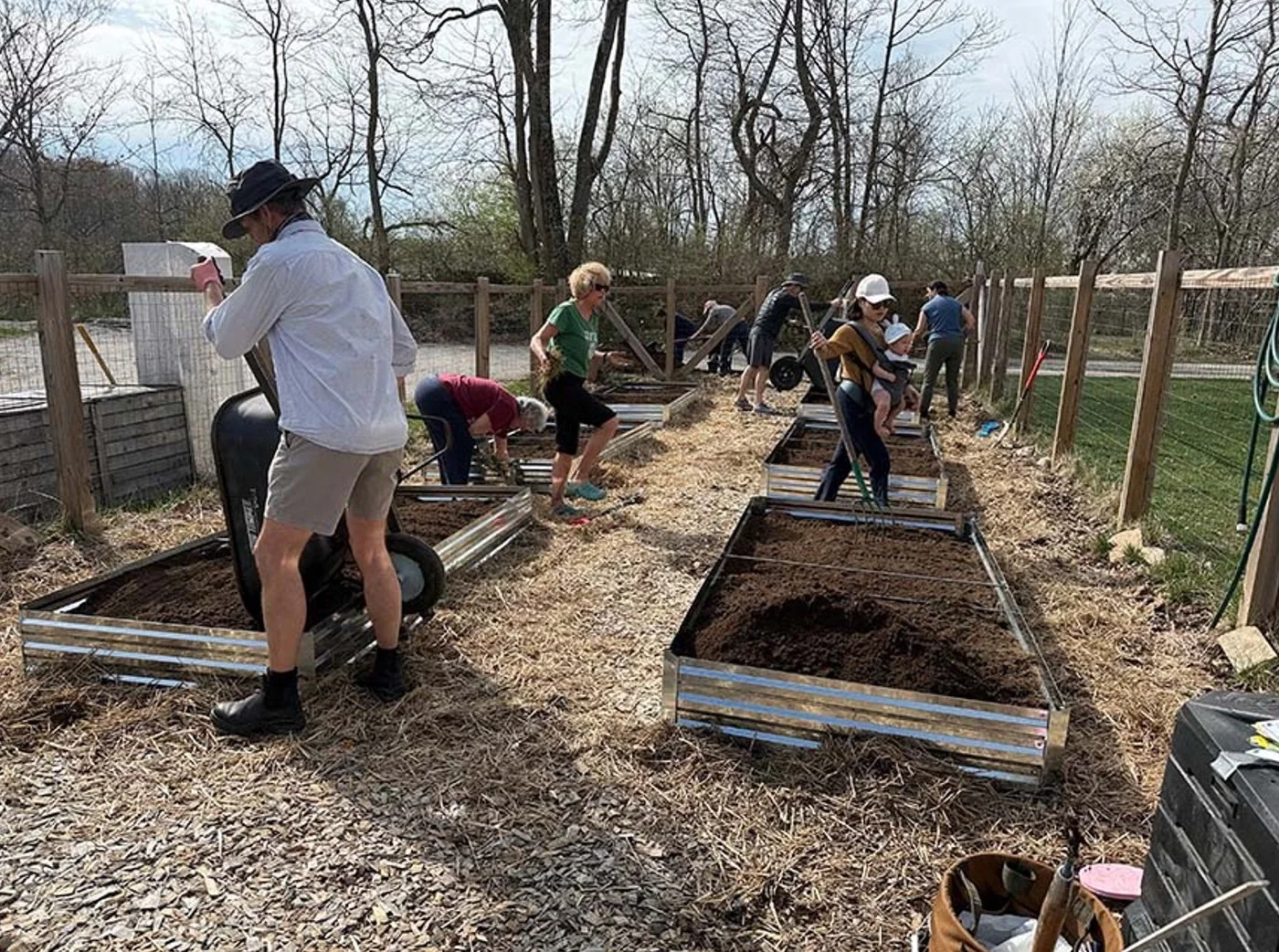
Bloomington Cohousing is a multi-generational neighborhood of 26 homes. While houses are privately owned, neighbors commit to and cooperate in caring for the life of the community. We also collectively own several buildings and common areas, including an 18’ x 56’ fenced-in vegetable garden with a drip-irrigation system. The neighborhood Gardening Circle oversees planting and maintenance of the garden, but all neighbors are invited to participate and to share in the harvest.
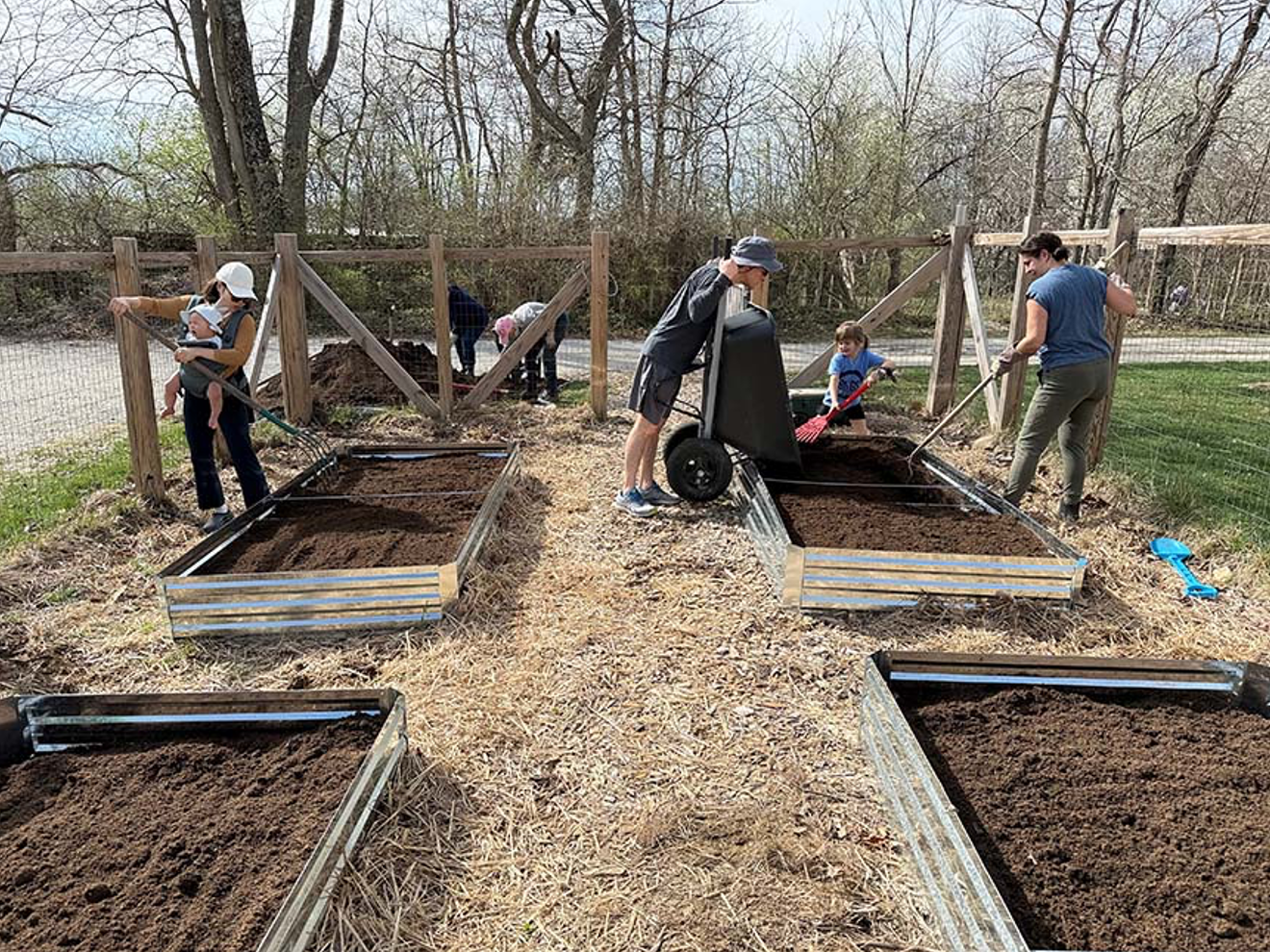
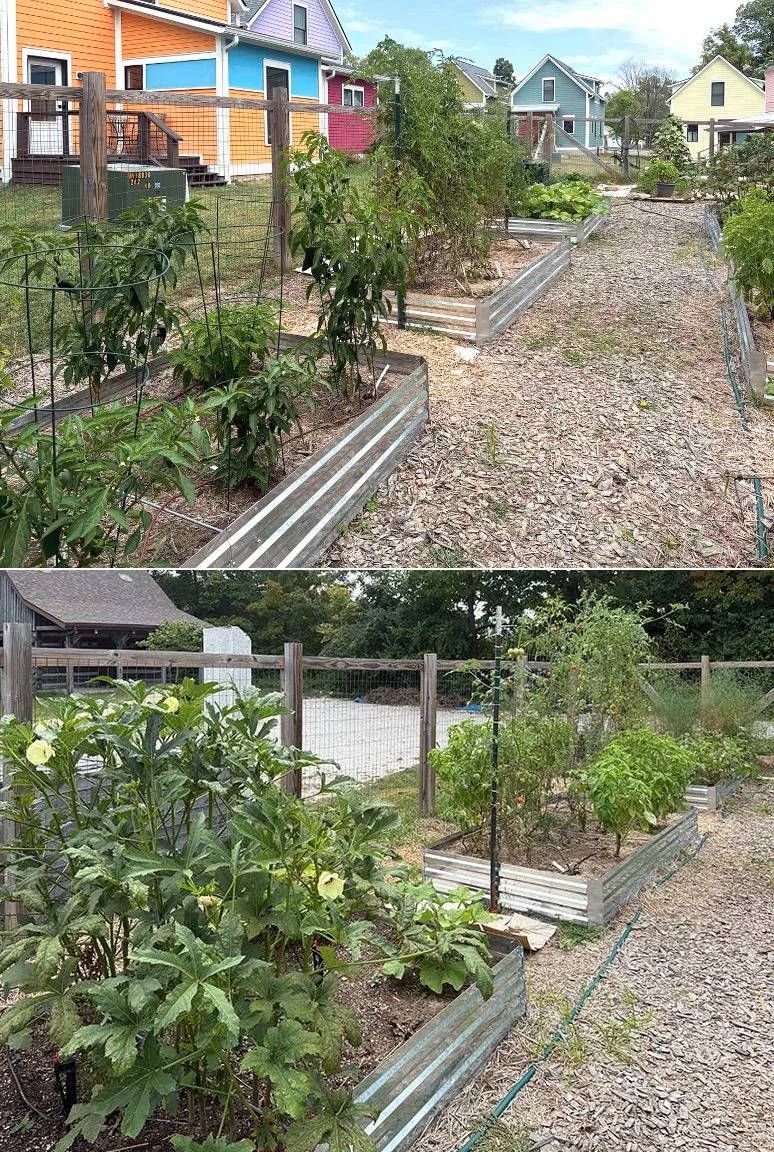
A 2025 grant from the Monroe County Master Gardener Association enabled us to install six 4’ x 8’ raised beds in the garden at the beginning of the growing season. In prior years, the garden had been underused, disorganized, and weedy. The raised beds helped to organize the garden, raised the soil level so that gardeners could work sitting in a chair or wheelchair, reduced soil compaction in growing areas, and made it easier to control the soil condition and weeds. Having raised beds also made it easier to label crops clearly and delineate growing areas for specific crops and uses, which helped new gardeners learn how to identify plants and distinguish vegetables from weeds.
Throughout the gardening season, the Gardening Circle kept the raised beds weeded, fertilized, watered, and planted in tomatoes, peppers, butternut squash, kale, lettuce, green beans, cucumbers, basil, peas, okra, strawberries, parsley, and radishes. Monthly workdays brought out the whole neighborhood to keep the garden paths and fence perimeter weeded. We also used the monthly workdays to help educate new gardeners about how to plant and harvest vegetables. Many neighbors took an active interest in the garden this summer and enjoyed the produce it generated.
We were especially happy that the raised beds made it easier to include young children in the garden. (By the end of the summer, the neighborhood had 10 children ages 8 and younger.) The raised beds protected plants and soil from little feet and helped children understand that the plants in the beds were special, needed to be treated carefully, and produced things they could eat. Several children showed keen interest in gardening, so we are contemplating dedicating at least half a bed to a children’s garden next summer.
The generous grant from the Monroe County Master Gardener Association has enabled the Bloomington Cohousing neighborhood to turn a difficult space into a pleasant, usable, and productive garden that the whole neighborhood can enjoy. It has helped us begin to turn our focus from constant weeding and troubleshooting to planning ways to maximize garden productivity and neighborhood involvement and satisfaction. We look forward to an even better garden in 2026!
Bloomington Montessori School
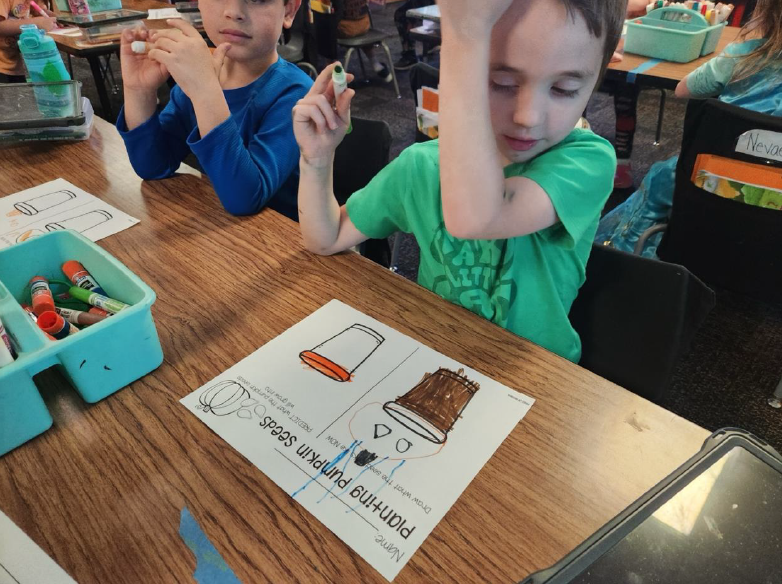
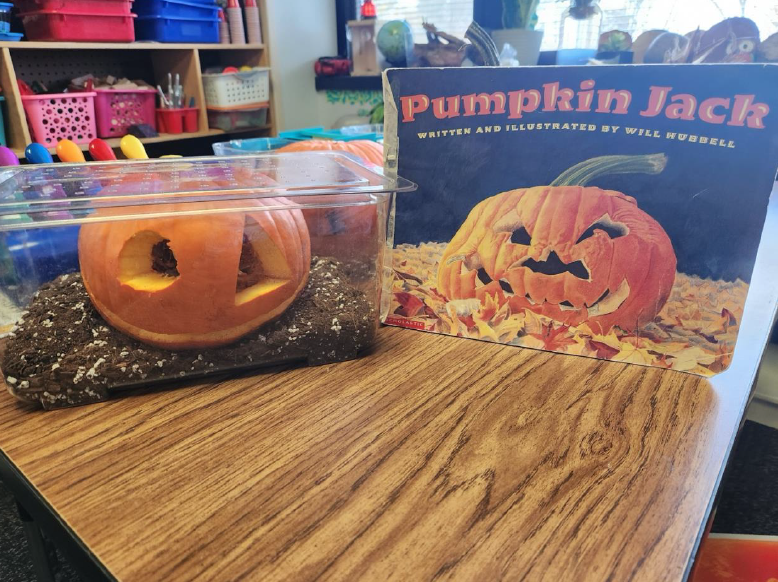
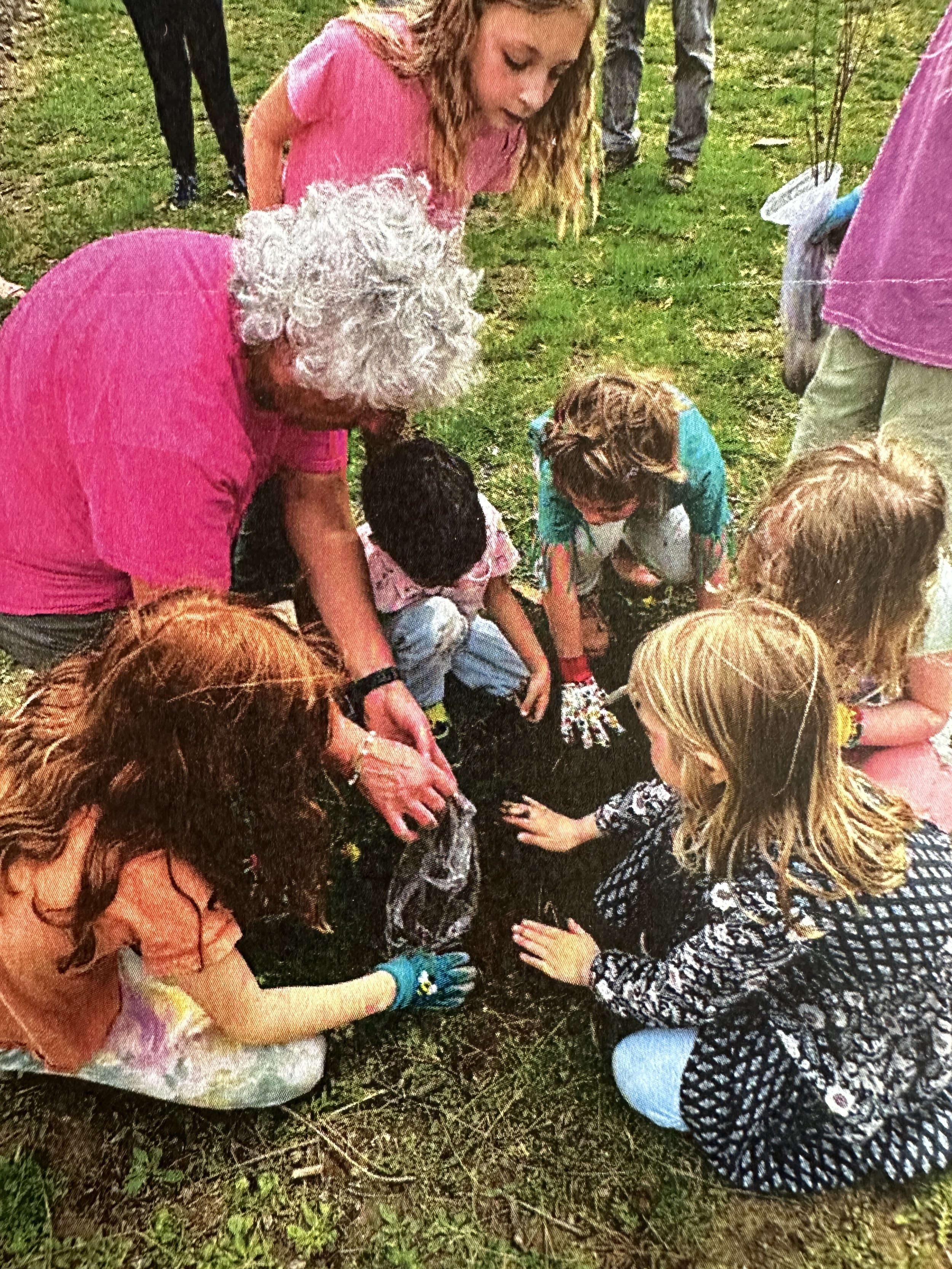
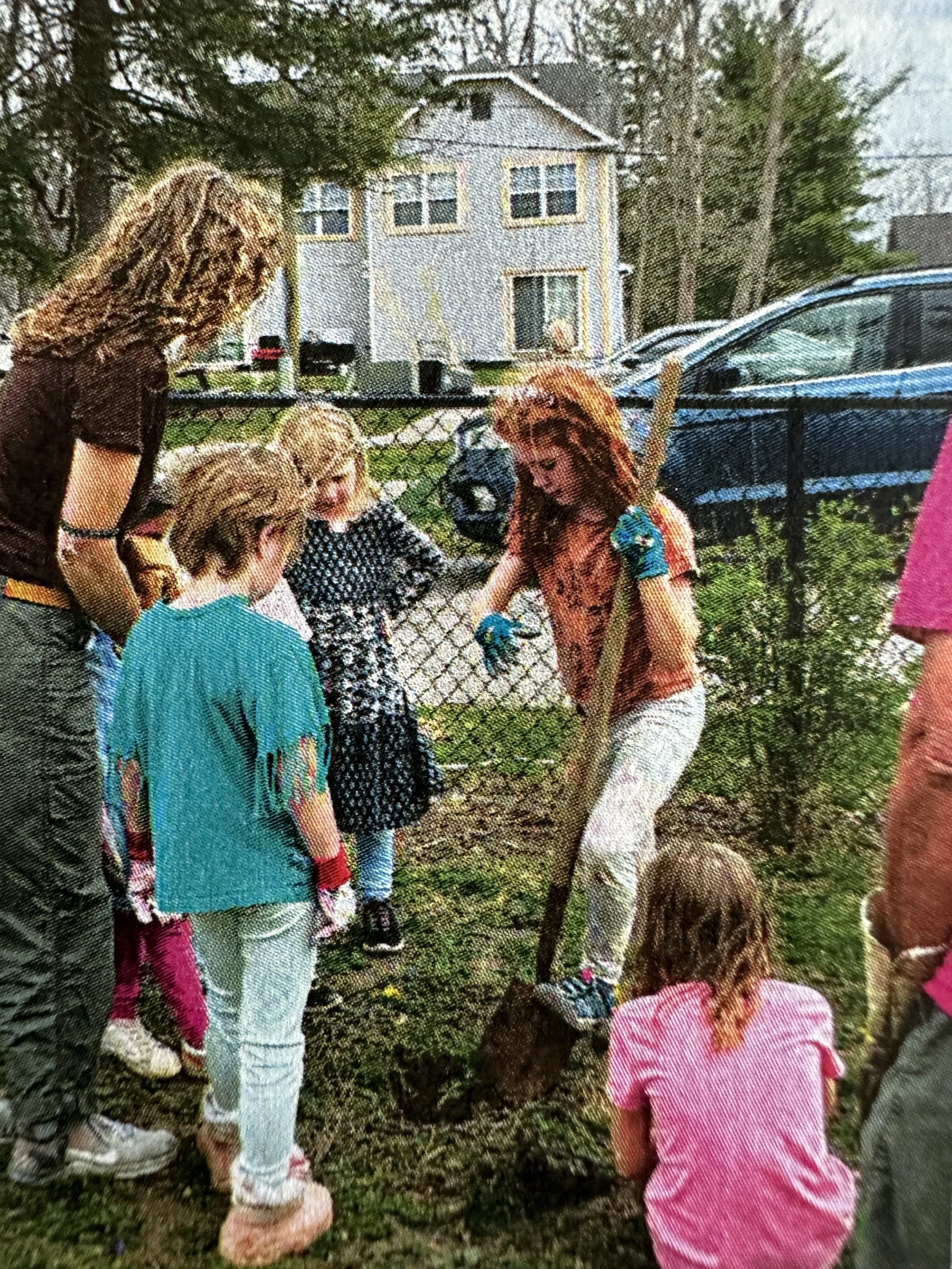
Thank you for our generous support of the Walnut classroom’s urban greening service project. Your funding allowed 66 children ages 6-9 to learn about invasive species, grow native plants and trees, build cages to protect plantings, and install dozens of plantings on public property to help green Monroe County.
New Hope for Families
Introduction
New Hope for Families is grateful to Monroe County Master Gardeners for continue support of the New Hope for Families Pollinator Garden and New Hope Plot to Tot Garden Project.
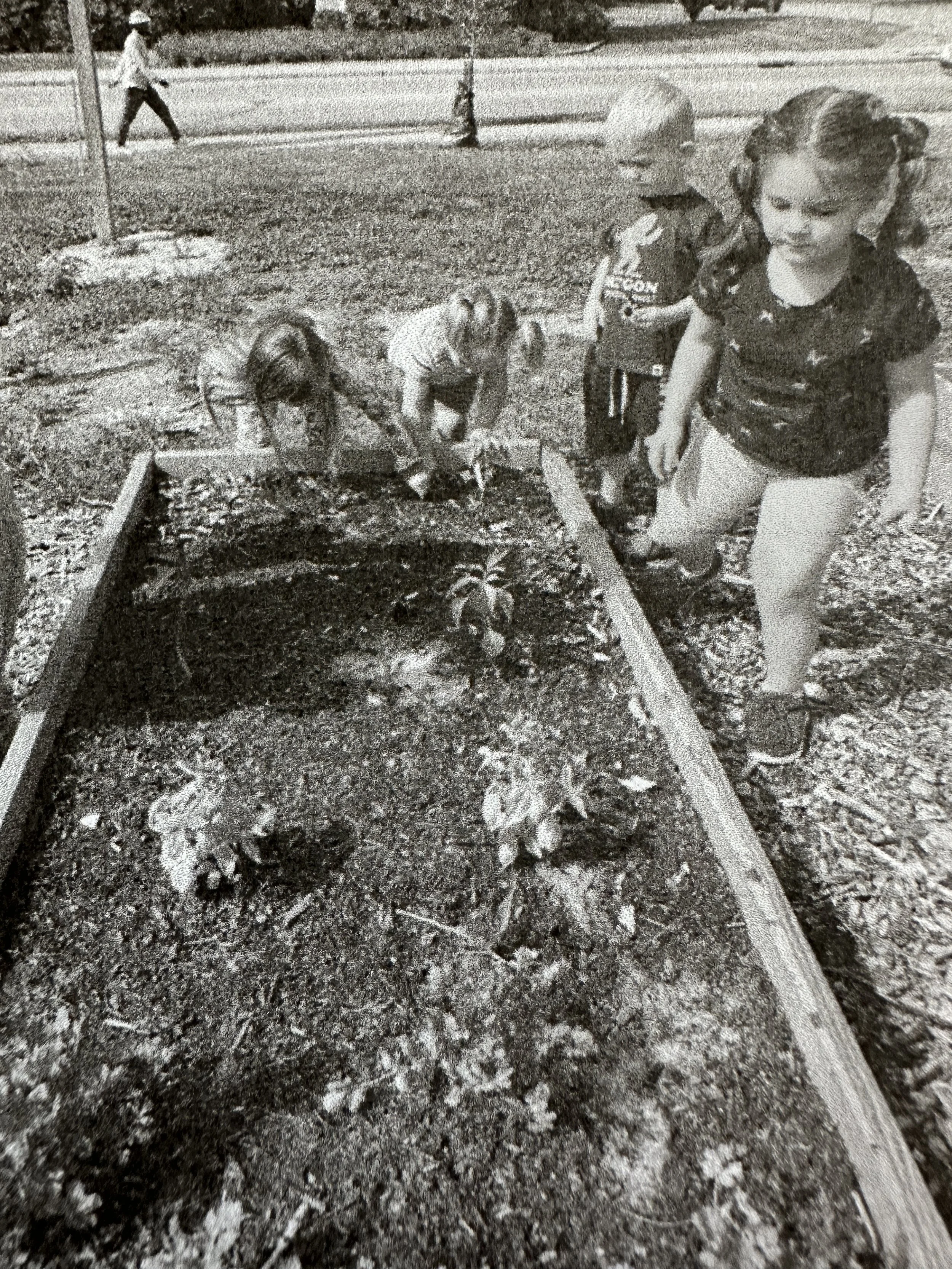
As noted in the grant application, new Hope’s gardens support the agency’s mission in multiple ways. The vegetable garden, which we refer to as out Plot to Tot Project, provides hands-on gardening experiences for the clients of New Hope Early Learning Center. These experiences are incorporated into the Early Learning Center’s emergent curriculum, reinforcing and providing real world context for the children’s age-appropriate understanding of science, math, and nutrition. The Early Learning Center Chef and Nutritional Coordinator incorporates produce from the gardens into the menu, depending on availability.
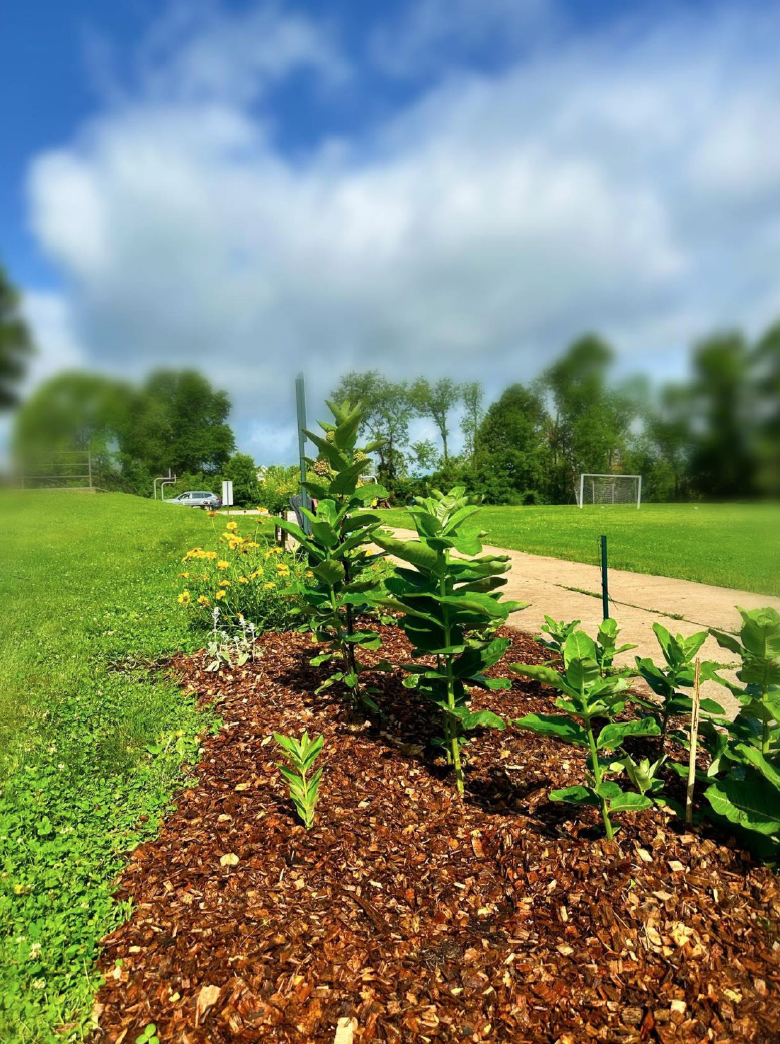
The Pollinator Garden, created and tended by volunteers, enhances the beauty of our campus, helping our agency treat our clients with dignity and respect and enabling our agency to be a good neighbor and responsible steward of the land. In addition, the Pollinator Garden provides educational opportunities for our clients of all ages, as well as for the volunteers and staff who work on the campus.
Grant-Supported Expenditures
Between March 31, and September 30, 2025, New Hope incurred the following grant-supported expenditures:
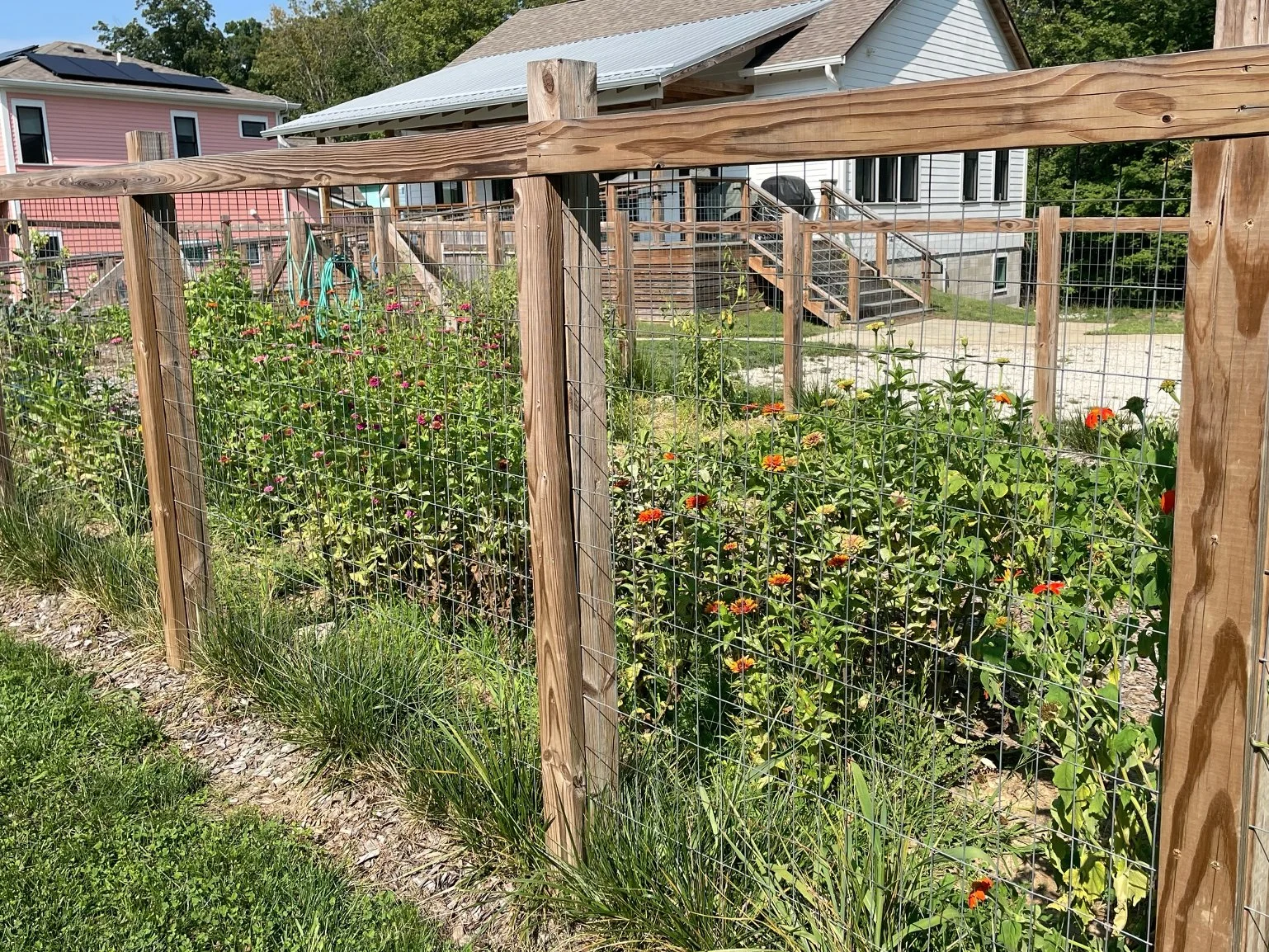
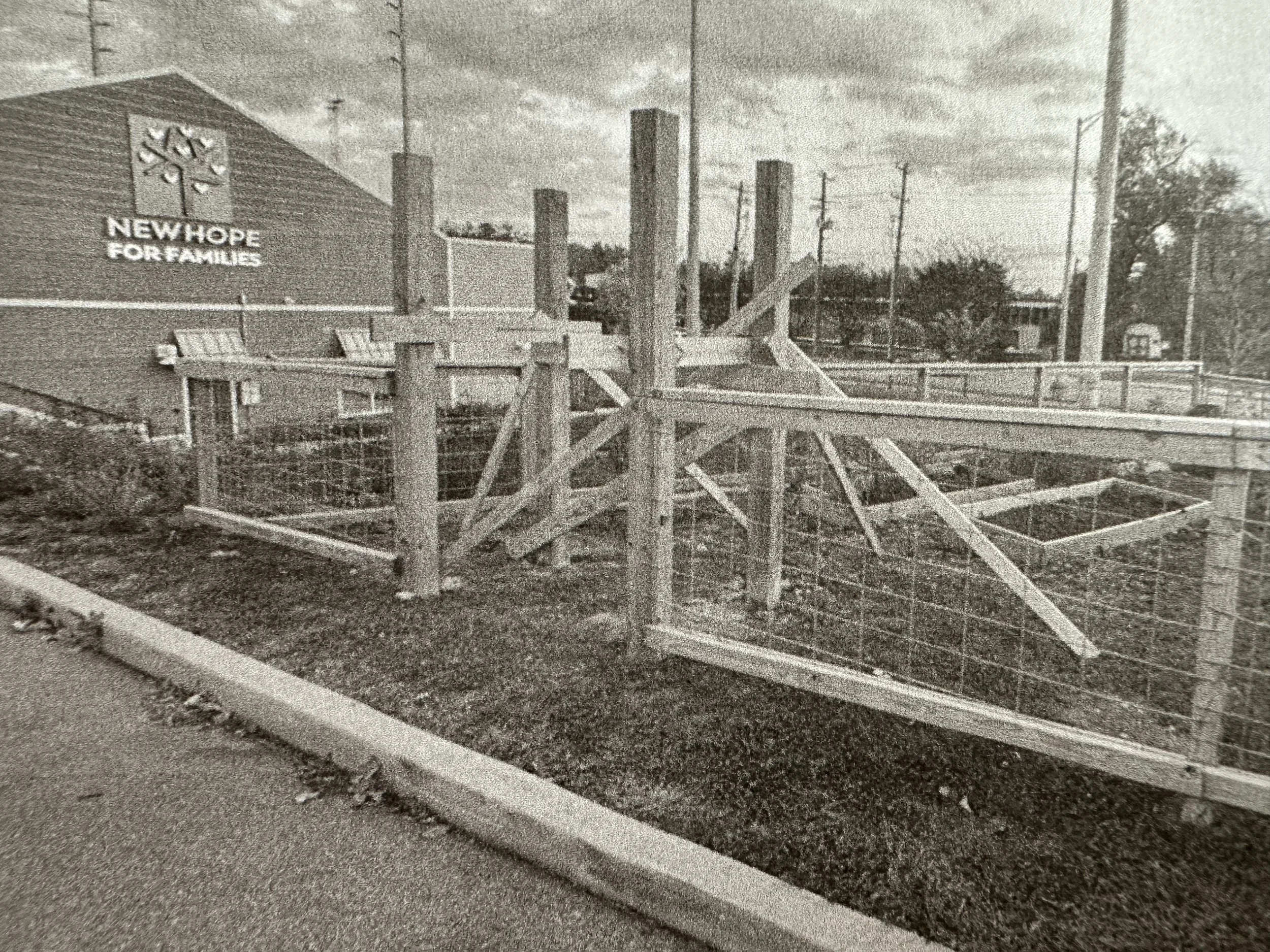
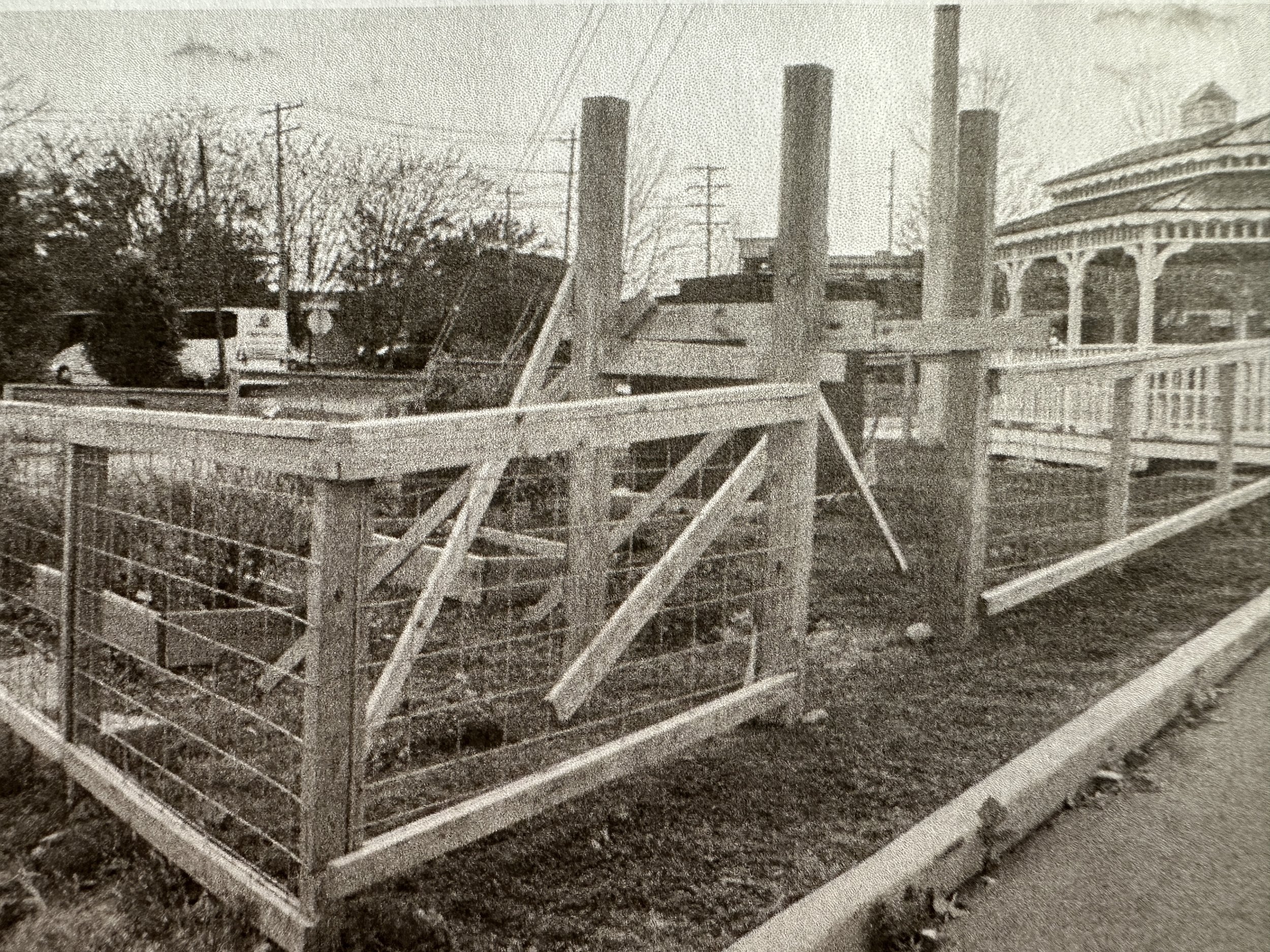
· Four cattle panels, green-treated lumber and other materials for the construction of a fence around the Plot to Tot raised bed gardens
· Perennial wildflower seeds for planting in the pollinator gardens
Narrative
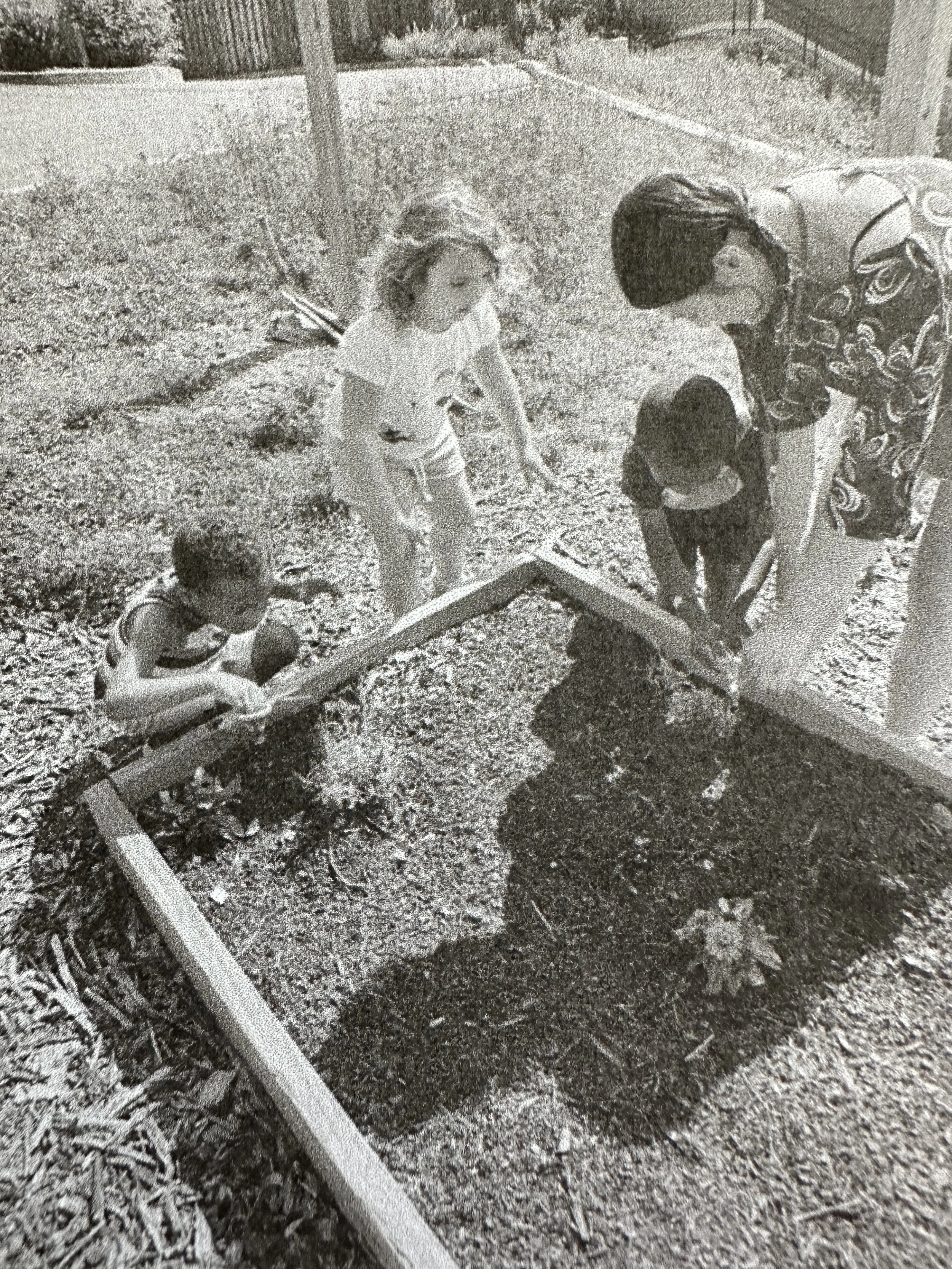
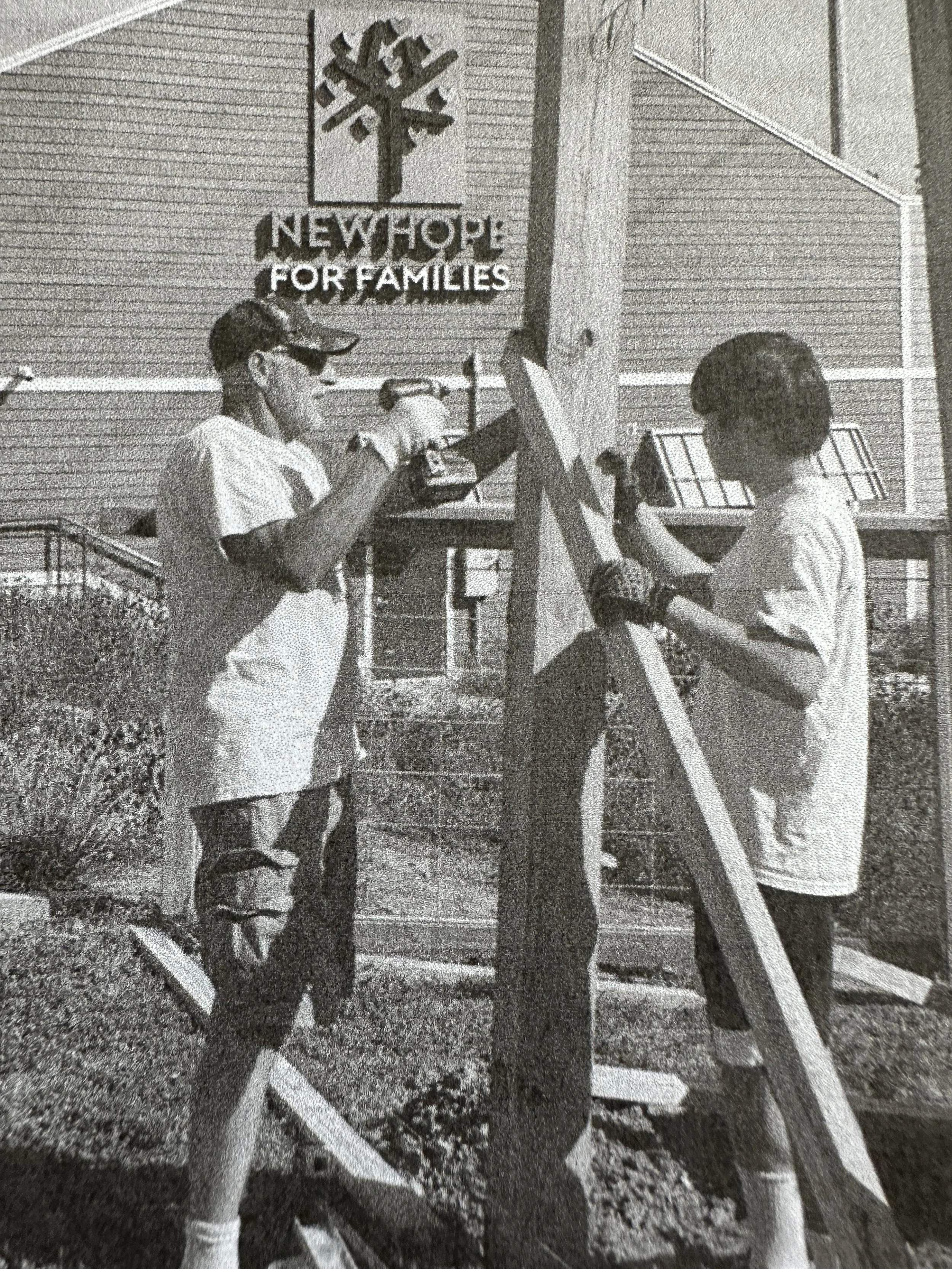
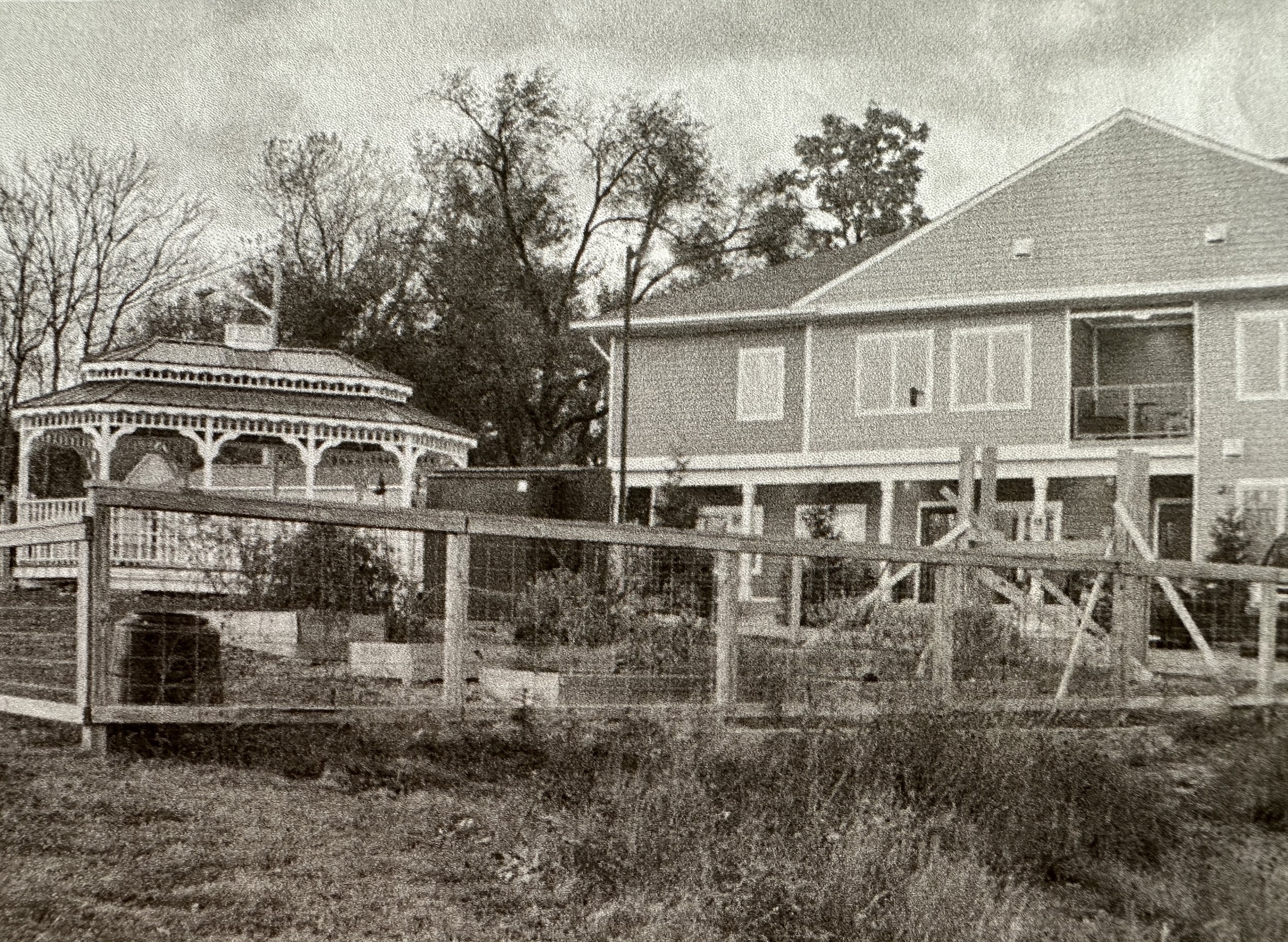
In light of the comments from Monroe County Master Gardeners contained in the grant award letter, New Hope used funds from other sources to purchase starter plants for the 2025 vegetable gardens, and set aside a significant portion of the grant funding to purchase materials for a fence to enclose and protect the vegetable garden area. New Hope volunteers designed the fence, selected and delivered the materials, set the posts, and complete construction of the fence during August and September. The final step is to build an arbor and install a gate at the entrance to the garden area. We anticipate that it will be complete before the 2026 planting season.
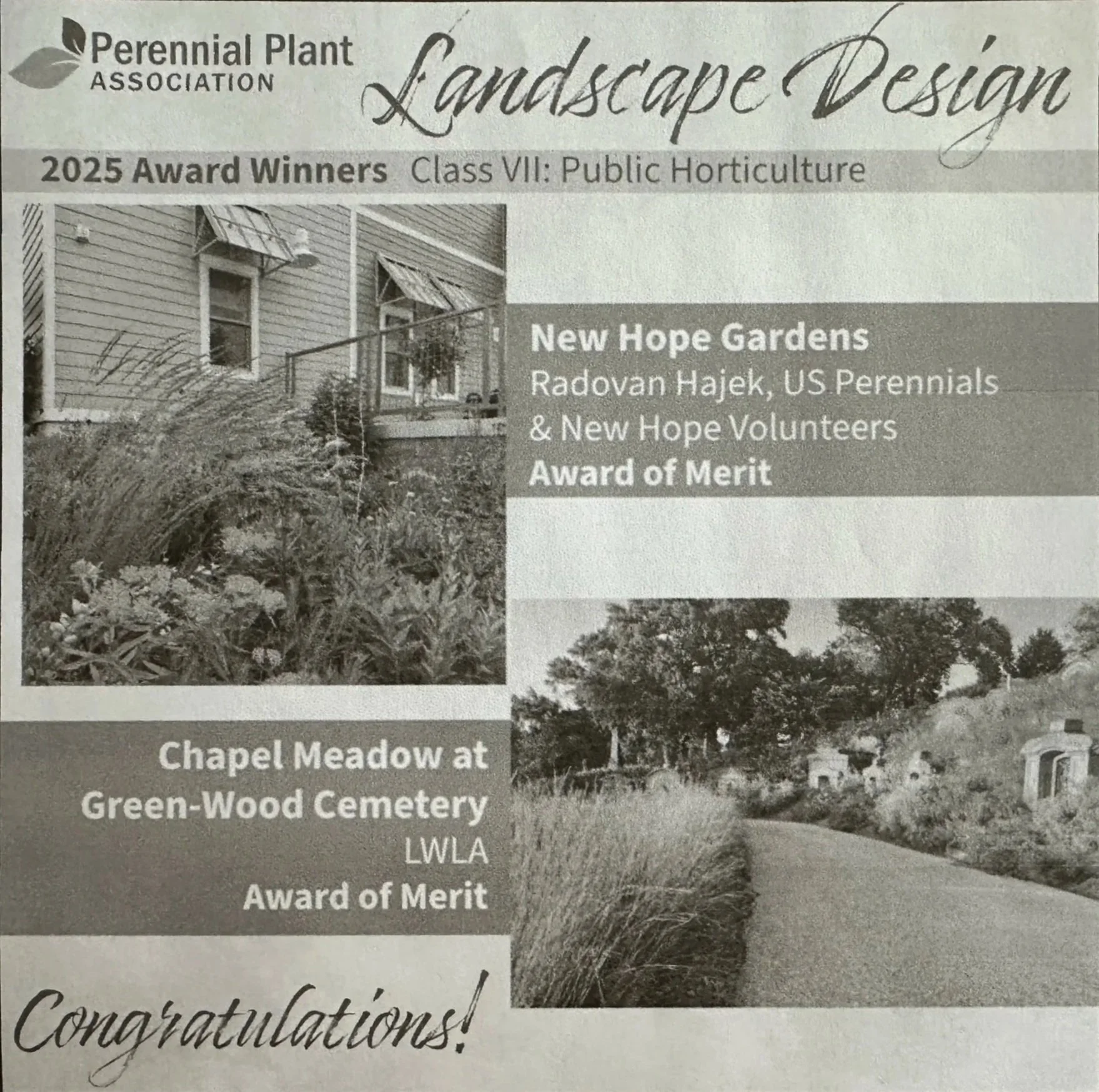
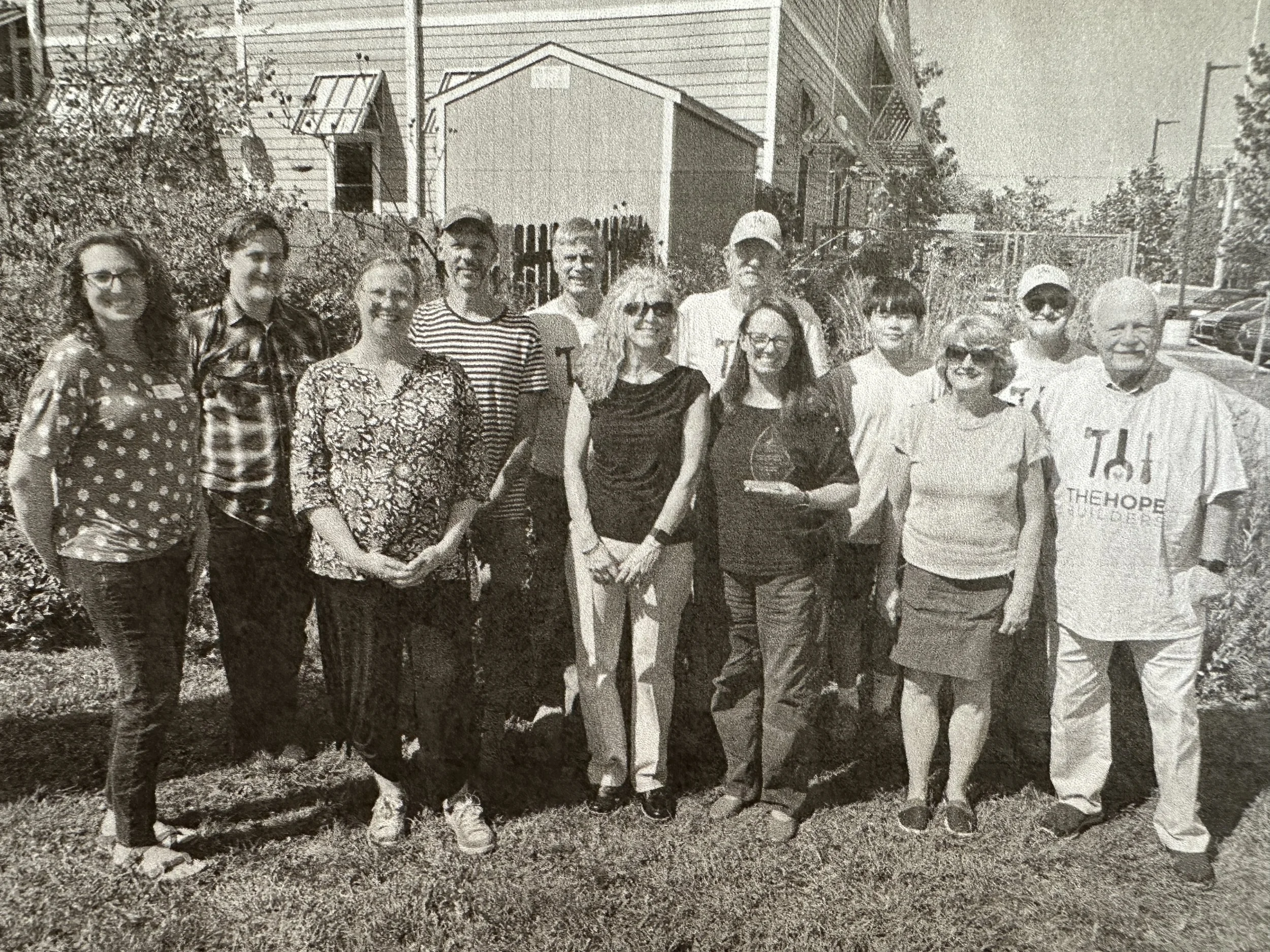
In July, New Hope’s pollinator gardens received an Award of Merit for Public Horticulture, from the Perennial Plant Association. New Hope’s lead volunteer on the projects, Rad Hajek, received the award on behalf of New Hope, during the Perennial Plant Association’s annual meeting in Omaha, Nebraska.
Clear Creek Elementary School
Grant Title:
Let’s Grow Together! Establishing a Clear Creek Learning Garden
Number of Students Directly Impacted:
300+/yearly
Purpose:
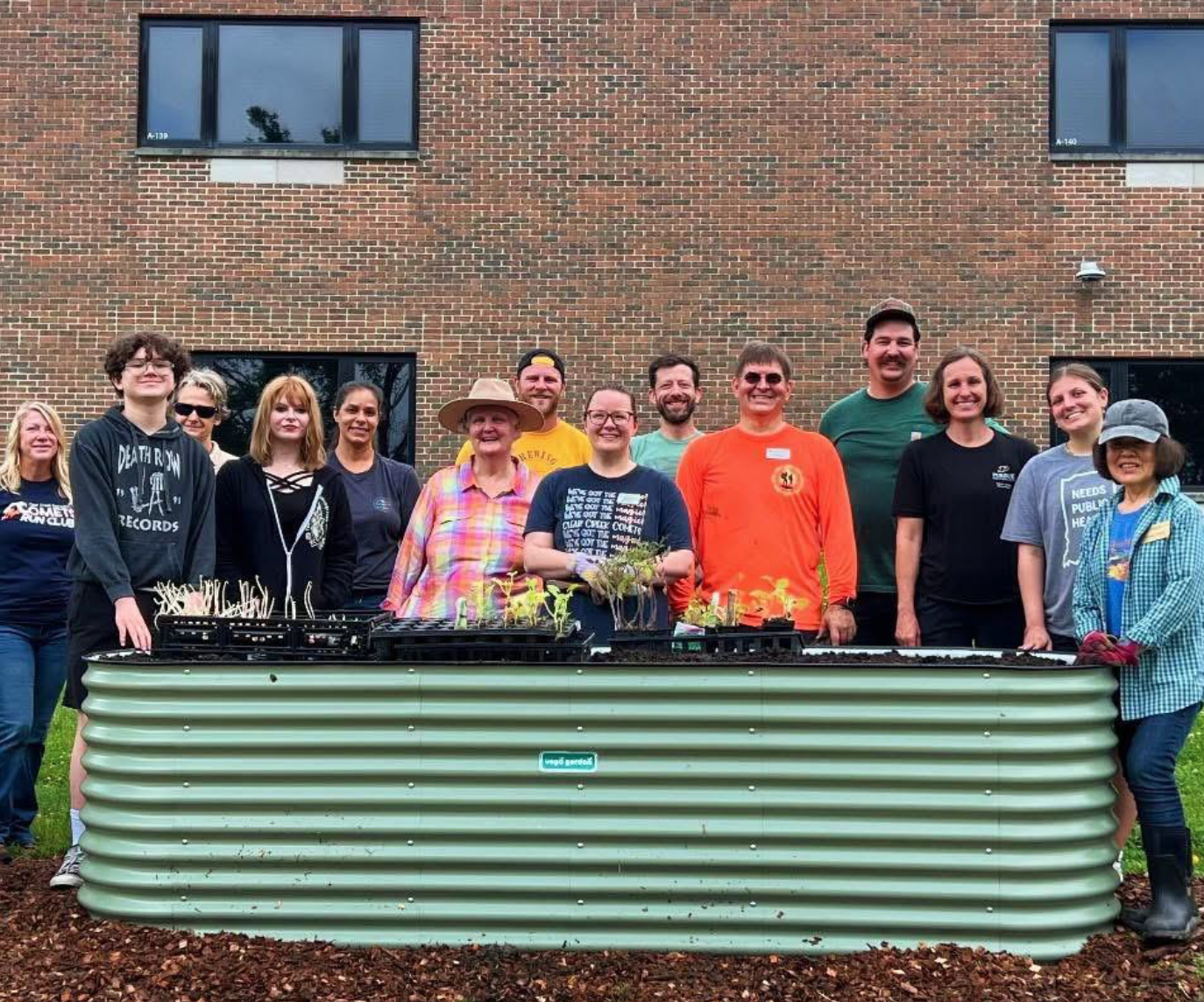
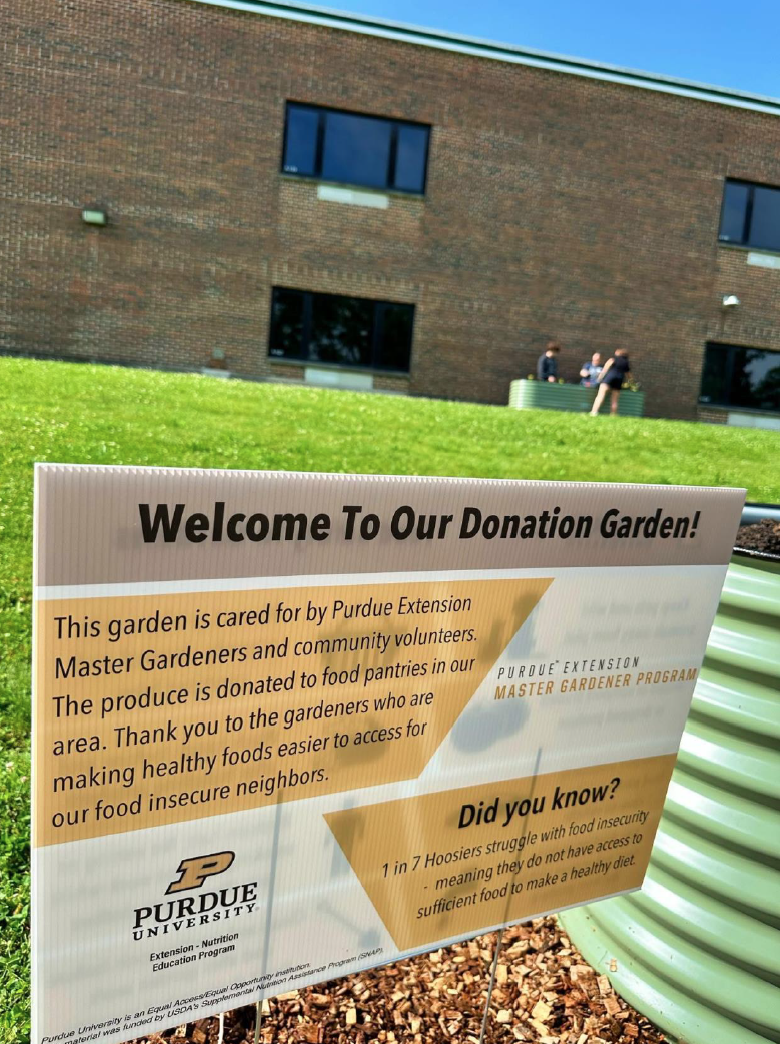
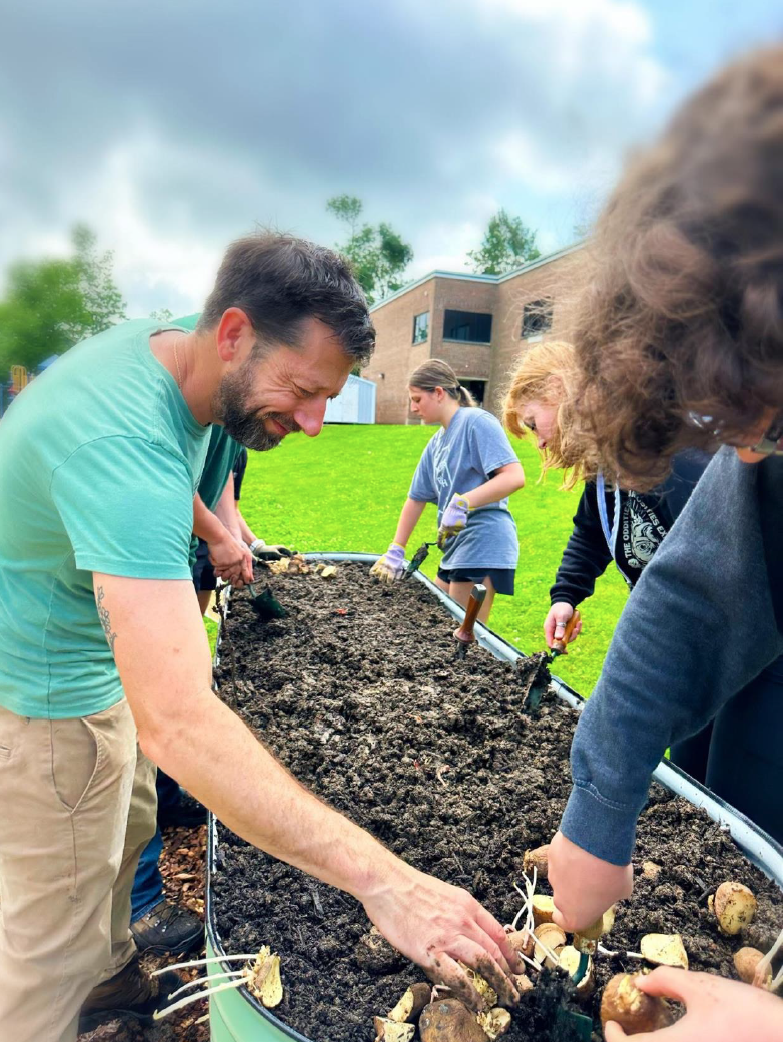
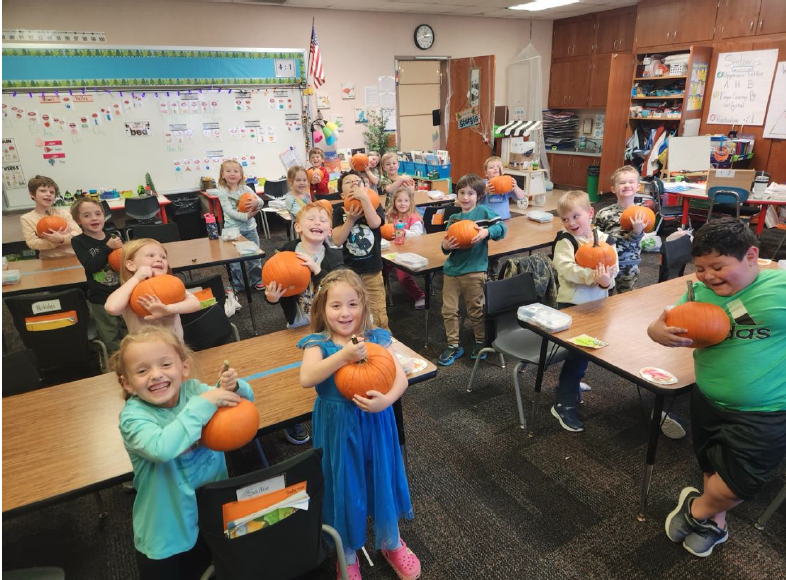
With support from this grant, Clear Creek established a STEM-focused learning garden for our school community, with students/staff/community members starting projects with students this Fall 2025. Projects include planting, tending, and harvesting fruits and vegetables for hands-on interdisciplinary learning. This coming Spring 2026, educational enrichment through the outdoor learning space will open new avenues of learning for the entire preschool-6th grade community, anywhere from learning plant biology and soil composition to exploring and discovering engineering and technology solutions to real world scenarios, all while offering a fun and engaging way to grow their curiosity, sense of responsibility, and appreciation for the world. The garden will also provide fresh produce for our school as well as our Clear Creek title-1 families, many of which do not have access to fresh, affordable fruits and vegetables, with all additional produce donated to the local food pantry Community Kitchen.
Specific supplies purchased with this grant include a fertilizer, frost cloth/netting clip/frost cloth, buckets, adult and child shovels, Fiskars tools, pruners, shears, garden gloves, wheel barrow, garden shelving and containers.
Progress:
Weather was a HUGE problem for us when it was time for our community “Campus Beautification” Day in collaboration with Canopy Bloomington, MC-IRIS, and Purdue Extension. We had prepared a huge collaborate day after with community members, staff, and families to work at different areas of the grounds. We would remove invasive species, plant new shade garden plants around the area the PTO was building hammock stations for learning, place soil and mulch in and around new and existing garden beds, and plant new native plants and trees in areas around the building. Unfortunately, horrible weather came through and we had to last minute cancel the event the morning of. We rescheduled this event to only have it cancelled once more due to horrible weather. We ended up going into summer vacation and were unable to do the community event the way we had hoped.
We chose to reschedule for the summer to at least get the gardens built and maintained by staff over the summer so students would have something to come back to work with at school. Master Gardeners of Bloomington, school staff, and school family members volunteered their time this summer to help complete this portion. We had a successful morning with over 30 volunteers