Bold, Native, Reliable: Black Chokeberry
At this year’s Garden Fair, we’re giving away a free Black Chokeberry seedling to the first 400 patrons. Learn about this plant and whether it’s a good fit for you garden.
Aronia melanocarpa
Common name(s): Black Chokeberry (Previously known as: Photinia melanocarpa)
Family: Rosaceae (Rose family)
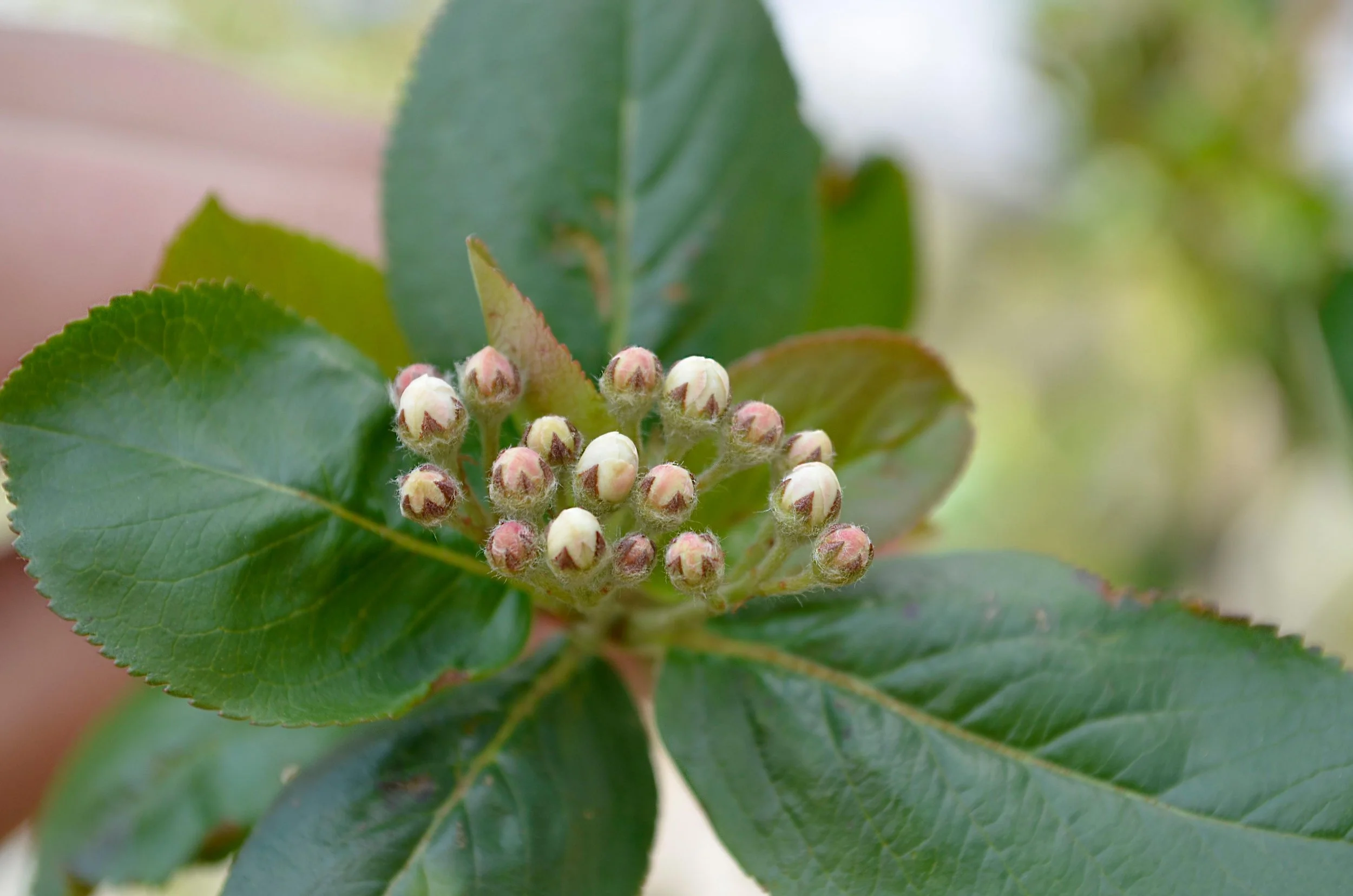
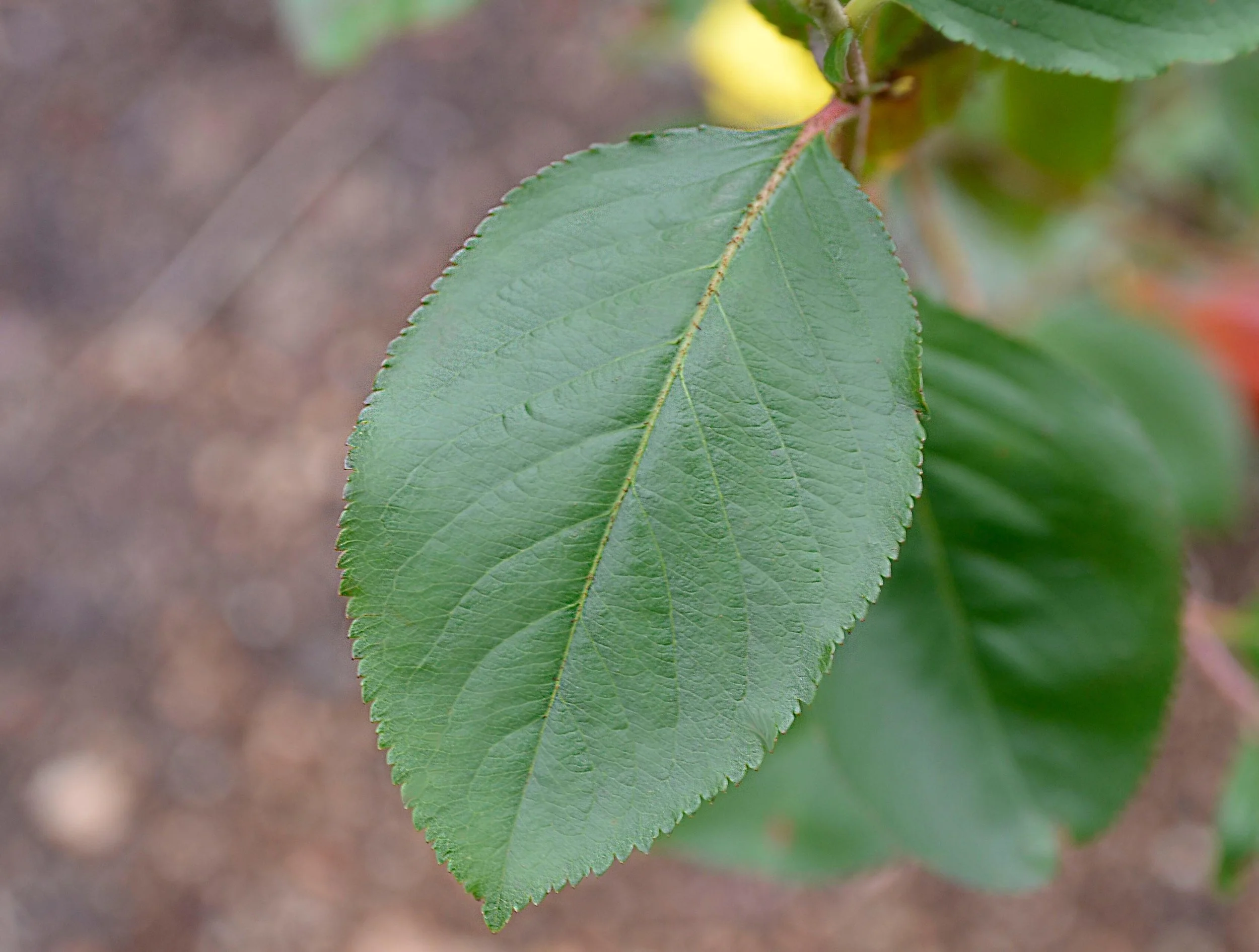
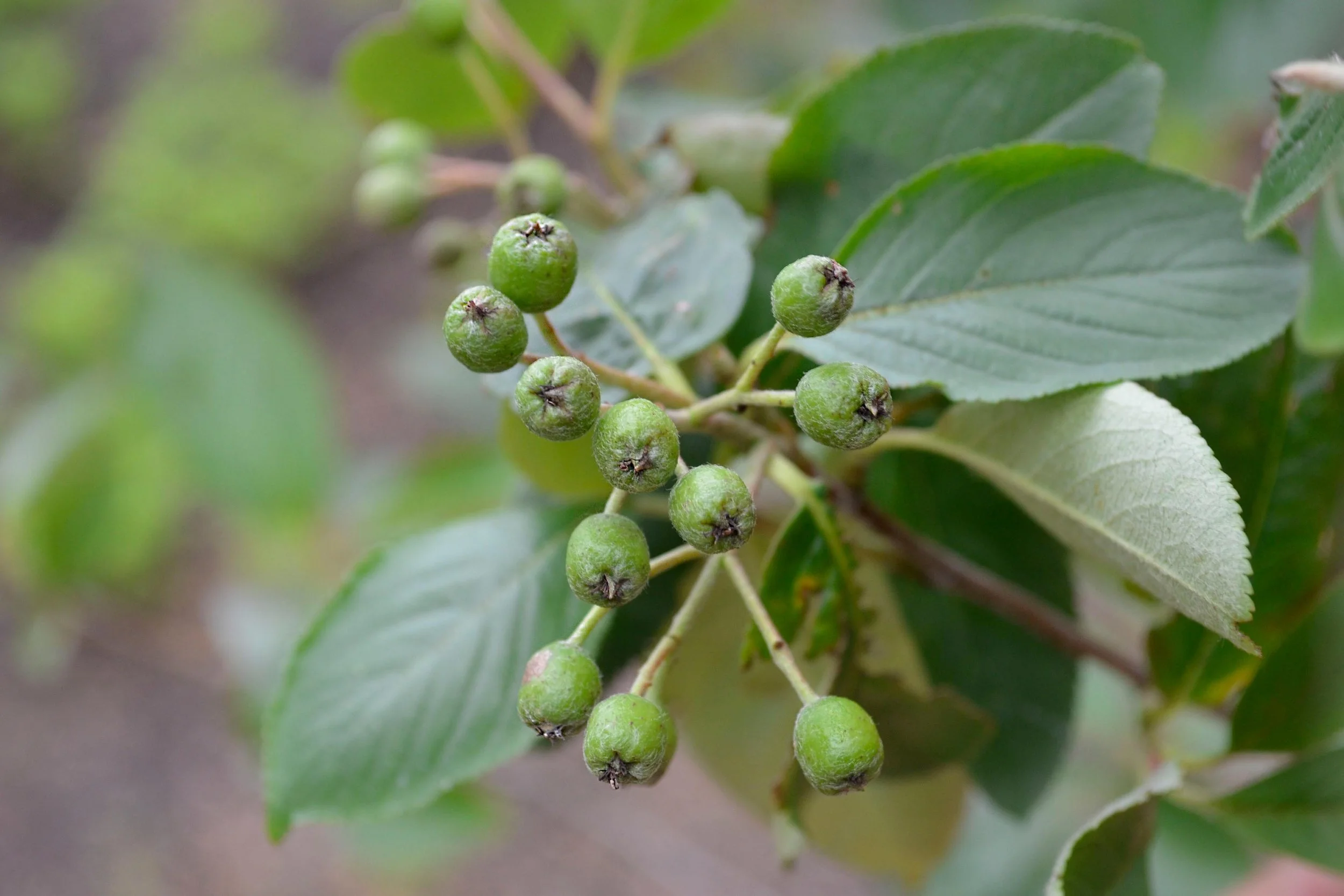
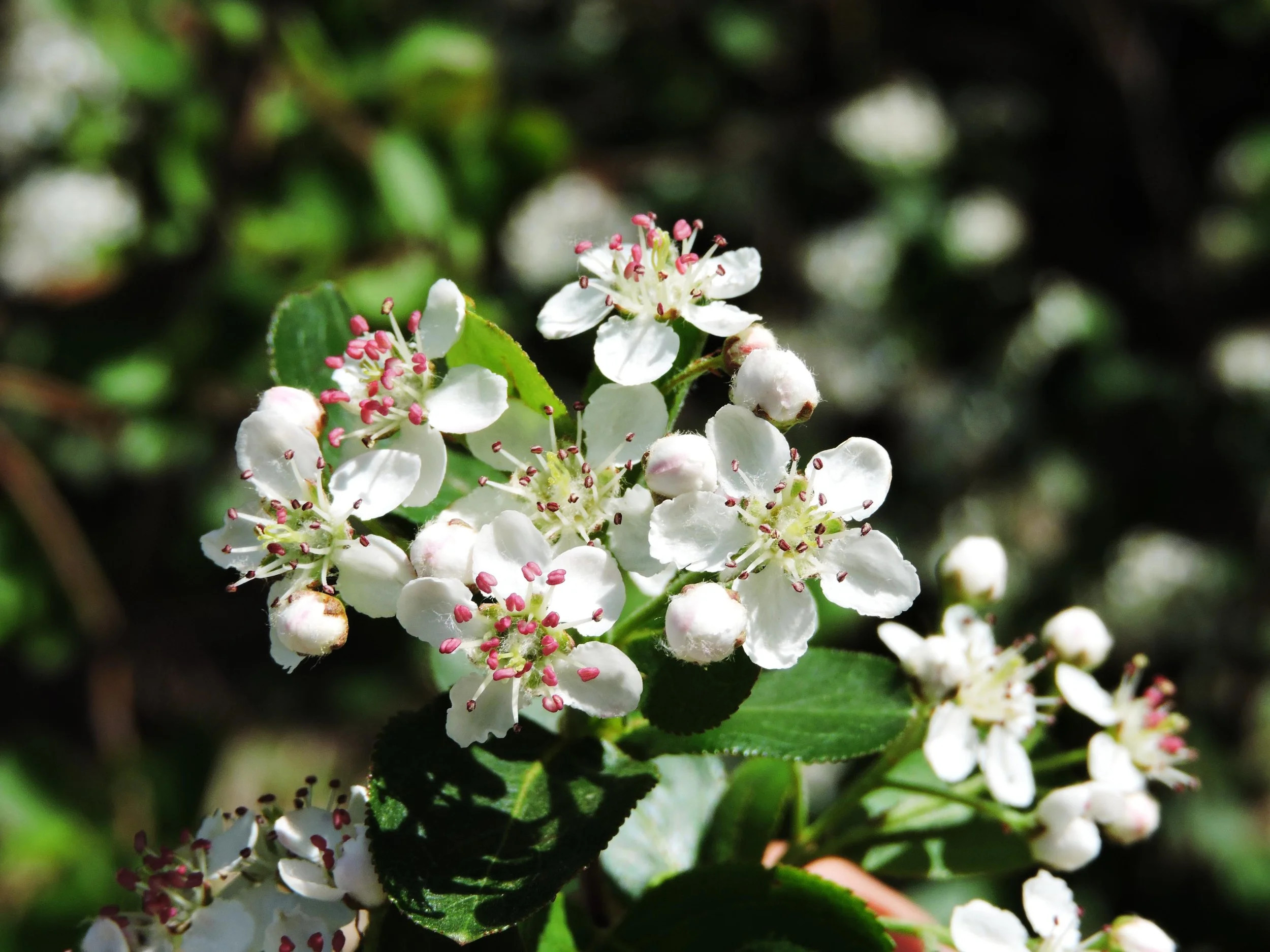
This Indiana native shrub is similar to the Red Chokeberry in habit and form, but differs in that the Black Chokeberry is larger, has black-colored fruits, broader leaves, and generally larger flowers. Place in a higher light location for the best flower and fruit display. Best used for naturalizing, mass plantings, and wetland reclamation projects. The berries are edible, but only palatable when used in jellies and jams.
Sun exposure: Full sun (6 or more hours of direct sunlight a day), partial shade (direct sunlight only part of the day, 2-6 hours)
Dimensions: Height 3 - 5 ft., Width: 3 - 5 ft.
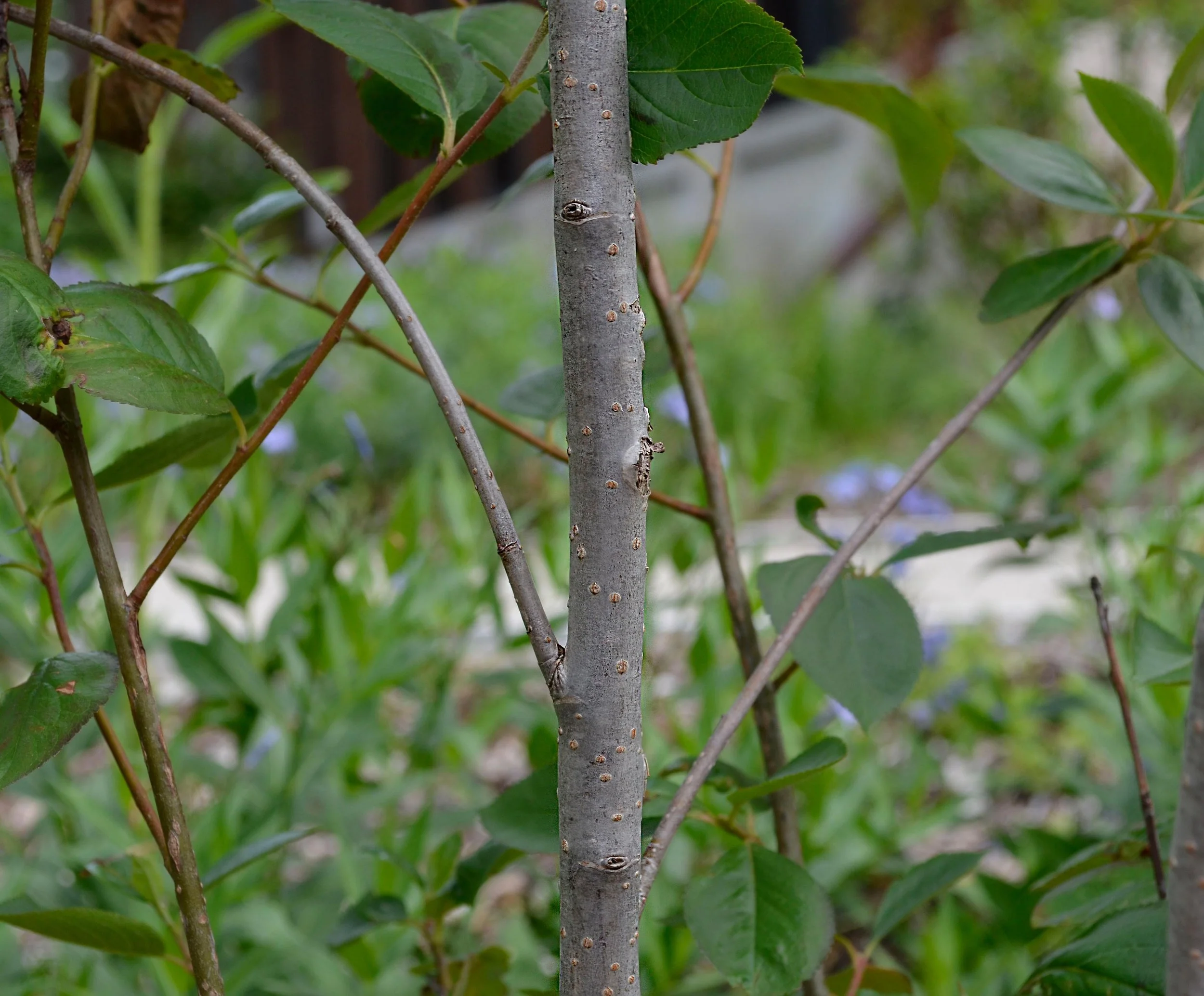
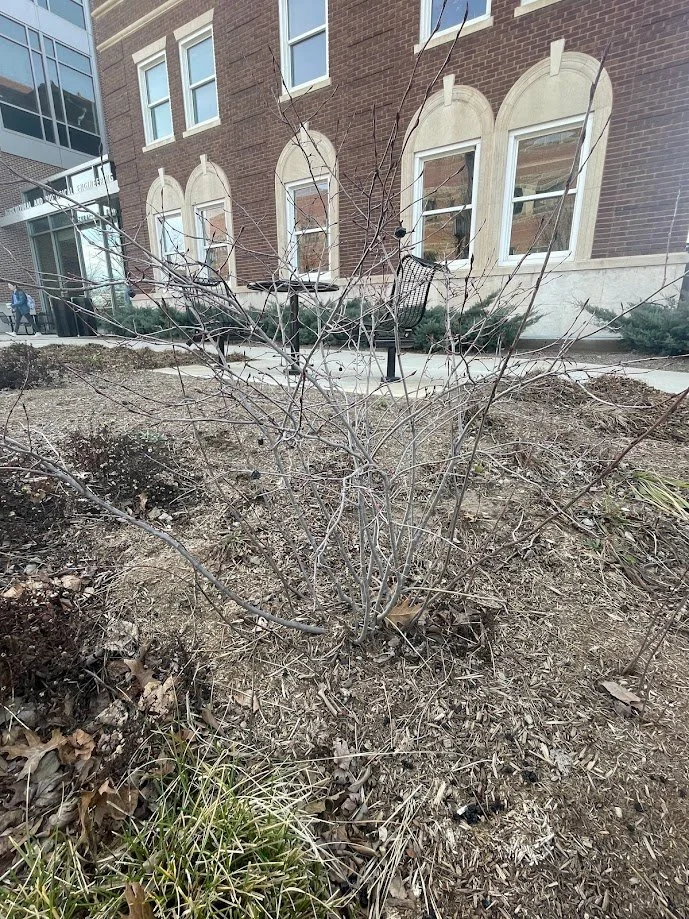
Attributes: Prefers moist, well‑drained loam but tolerates semi‑dry or boggy conditions. Tolerates drought, soil compaction, flooding, and urban conditions. Attracts bees, songbirds, and other pollinators; provides winter food and cover. Showy white flower clusters in spring, lustrous dark green foliage in summer, glossy black fruit + vibrant red to purple foliage in the fall, and persistent berries and exfoliating twigs in the winter.
Resources
To learn more about plant characteristics, bloom information, growing conditions, and more check out the Purdue Extension webpage.